Restaurant Business Trends – Why Aren’t You Eating Out?
Read Time:5 Minute, 32 Second
The restaurant industry has undergone significant changes in recent years, with shifting consumer behaviors and economic factors influencing how people dine. While dining out was once a regular part of many people’s routines, more individuals are now reconsidering how often they visit restaurants. Rising costs, lifestyle changes, and evolving expectations have all contributed to this shift, leaving restaurant owners wondering why customer traffic is not as strong as before.
Understanding these changes is essential for both business owners and consumers. For restaurants, adapting to new trends can mean the difference between growth and decline. For customers, these trends reflect broader shifts in priorities, convenience, and value. This article explores the key reasons behind the decline in dining out and highlights the major trends shaping the restaurant industry today.
Rising Costs and Changing Consumer Spending Habits
One of the most significant reasons people are eating out less is the rising cost of dining. Inflation has affected food prices, labor costs, and operational expenses, leading restaurants to increase menu prices. As a result, dining out has become more expensive for the average consumer, making it less appealing as a frequent activity.
At the same time, consumers are becoming more mindful of their spending habits. Many individuals are prioritizing essential expenses and cutting back on discretionary spending, including restaurant visits. Cooking at home is often seen as a more cost-effective alternative, allowing people to save money while still enjoying meals.
This shift in spending behavior has forced restaurants to rethink their pricing strategies and value propositions. Businesses that can offer competitive pricing or unique experiences are more likely to attract customers. Understanding these changes is crucial for those analyzing restaurant industry consumer behavior trends, as it highlights the financial factors influencing dining decisions.
The Rise of Food Delivery and Takeout Services
Another major trend impacting the restaurant industry is the growing popularity of food delivery and takeout services. With the convenience of ordering food through apps and having it delivered directly to their doorstep, many consumers prefer this option over dining out.
Delivery platforms have made it easier than ever to access a wide variety of cuisines without leaving home. This convenience appeals to busy individuals and families who may not have the time or energy to visit a restaurant. As a result, traditional dine-in experiences are facing increased competition from these services.
Restaurants have had to adapt by offering delivery and takeout options, often redesigning their operations to accommodate this demand. While this shift creates new opportunities for revenue, it also presents challenges, such as maintaining food quality during delivery and managing additional costs associated with third-party platforms.
Changing Lifestyle Preferences and Convenience
Modern lifestyles have also contributed to the decline in dining out. People are increasingly seeking convenience and flexibility in their daily routines. Busy work schedules, remote working arrangements, and family responsibilities often leave little time for traditional dining experiences.
Additionally, many individuals now prefer casual and quick dining options over formal restaurant settings. This has led to the rise of fast-casual concepts and meal kits that provide convenience without compromising quality. These alternatives allow people to enjoy good food without the time commitment associated with dining out.
Health and wellness trends have also influenced consumer choices. Some individuals prefer preparing meals at home to have better control over ingredients and portion sizes. This shift reflects a broader focus on personal well-being and lifestyle balance, further impacting restaurant attendance.
The Impact of Technology on Dining Behavior
Technology has transformed how people interact with restaurants, from discovering new places to placing orders. Online reviews, social media, and digital menus have become essential tools for consumers when deciding where to eat. This increased access to information has raised expectations for quality and service.
Digital ordering systems and contactless payments have also changed the dining experience. While these innovations improve efficiency, they can sometimes reduce the personal interaction that many customers value. Restaurants must find a balance between embracing technology and maintaining a welcoming atmosphere.
Furthermore, the influence of social media cannot be overlooked. Customers are more likely to choose restaurants that offer visually appealing dishes and shareable experiences. This has led to a greater emphasis on presentation and branding within the industry.
The Importance of Experience Over Just Food
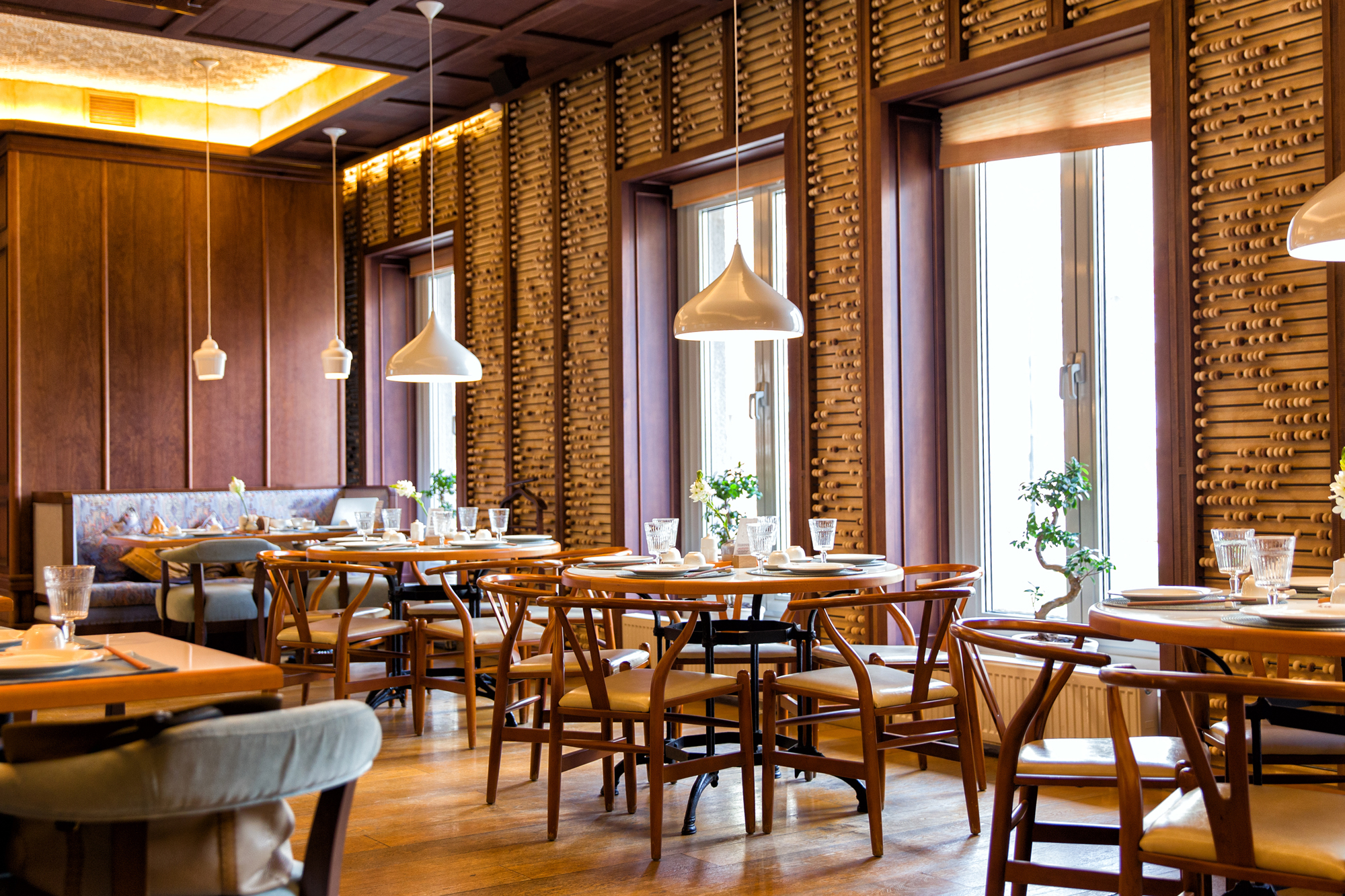
Today’s diners are not just looking for good food—they are seeking memorable experiences. Restaurants that offer unique atmospheres, themed concepts, or interactive elements are more likely to attract customers. This shift highlights the importance of creating an environment that goes beyond the meal itself.
Experiential dining includes elements such as live entertainment, open kitchens, or curated tasting menus. These features provide added value and make dining out feel special. In contrast, restaurants that fail to differentiate themselves may struggle to compete in a crowded market.
Customer service also plays a critical role in shaping the overall experience. Friendly and attentive staff can significantly enhance satisfaction and encourage repeat visits. For those exploring strategies through a modern restaurant business growth strategy guide, focusing on experience is key to attracting and retaining customers.
How Restaurants Are Adapting to New Trends
To stay competitive, many restaurants are adapting their business models to align with current trends. This includes offering flexible dining options, such as hybrid models that combine dine-in, takeout, and delivery services. By diversifying their offerings, businesses can reach a broader audience and meet varying customer preferences.
Menu innovation is another important strategy. Restaurants are experimenting with new dishes, seasonal ingredients, and dietary options to cater to changing tastes. This helps keep the menu fresh and appealing to both new and returning customers.
Additionally, some restaurants are focusing on sustainability and ethical practices. Using locally sourced ingredients, reducing food waste, and adopting eco-friendly packaging can attract environmentally conscious consumers. These efforts not only improve brand image but also align with modern values.
Conclusion
The restaurant industry is evolving in response to changing consumer behaviors, economic pressures, and technological advancements. While fewer people may be dining out as frequently as before, this shift presents both challenges and opportunities for businesses. Understanding the reasons behind this trend—from rising costs and convenience-driven choices to the growing importance of experience—allows restaurant owners to adapt and innovate effectively. By embracing new strategies, such as enhancing customer experiences, leveraging technology, and offering flexible dining options, restaurants can remain competitive in a dynamic market. For consumers, these changes reflect a broader shift in priorities, emphasizing value, convenience, and personal preferences. Ultimately, the future of the restaurant industry will depend on its ability to respond to these evolving demands while continuing to deliver quality and memorable experiences.

Happy
0 %

Sad
0 %

Excited
0 %

Sleepy
0 %

Angry
0 %

Surprise
0 %
 0
0
 0
0